
Flying with pets, whether it’s one animal or more, can present challenges for both pet owners and their companions. Regardless of the mode of transportation, be it by air or road, it is essential to be adequately prepared and organized to ensure a smooth travel experience for both pets and their caregivers.
Flying with Pets Preparation
Ensuring the health of a pet prior to embarking on a trip is of utmost importance. It is advisable to consult a veterinarian if traveling with an elderly animal or a pet with existing health issues, to confirm their suitability for travel. Additionally, the temperament of the pet should be taken into account.
For the safety of the pet while traveling, it is crucial to provide proper identification. An ID tag featuring a cell phone number should be attached to the pet’s collar, complementing up-to-date vaccination tags. Furthermore, microchipping is a valuable option for safeguarding against the potential loss of a pet, regardless of the travel circumstances. This procedure can be carried out swiftly and affordably at a local veterinary clinic, with minimal discomfort to the animal.
When flying with pets, it is essential to have a copy of their medical history readily available, similar to how one would maintain their own health information. This document not only includes critical vaccination records, such as rabies, but also serves as vital information if medical attention is required while in another state or country. It is recommended to always carry official proof of the rabies vaccination obtained from your veterinarian.
To ensure easy access in case of emergencies, take photos of all pet-related documents and store them on your phone. Additionally, consider emailing these photos or scans to yourself for safekeeping.
Preparation is key when traveling with a pet. Familiarize your pet with the travel experience by keeping their crate open at home, allowing them to acclimate and use it as a resting spot. Gradually increase the length of car rides with your cat or dog to help them adjust to longer journeys.Correct Carrier and
Flying with Pets’ Accessories for Easier Journeys
Air travel typically permits pets in the cabin, provided they weigh under 20 pounds. Pets exceeding this weight limit must be transported in the cargo area. It is advisable to reserve a space for your pet in advance, as airlines often have a limited number of animals allowed in both the cabin and cargo, and additional fees are generally applicable.
Before booking, verify whether your pet is eligible to fly. While most airlines accept dogs, cats, and birds, it is essential to understand any specific restrictions to avoid being turned away at the gate.
Each airline has its own size requirements for pet carriers intended for cabin transport, typically restricted to a medium size that fits under the seat in front of the passenger. Ensure that carriers are TSA approved, featuring a waterproof base, adequate ventilation, secure zippers, and full enclosure for the animal.
When traveling with pets, the carrier should afford enough space for the animal to stand, turn around, and change positions comfortably. In addition to a carrier, dogs and cats should also wear a harness and leash, as airport security checkpoints require pets to be removed from their carriers. Keeping them on a leash during this process enhances safety.
It is crucial for pet air travel to ensure that the animal wears a collar that does not pose a risk of getting caught in carrier doors. Trimming your pet’s nails is also recommended to prevent any hooking incidents. Both the collar and the crate should display your name, home address, and cell phone number for emergencies. Additionally, consider providing an alternative emergency contact during travel.
Flying with Pets In-Cabin
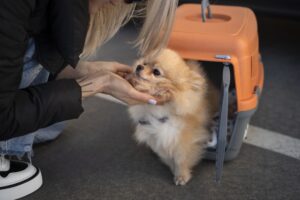
Image Courtesy of Freepik
When flying with pets, it is essential to ensure the right size and TSA-approved carrier is used. Additionally, placing waterproof pads at the bottom of the carrier can help manage accidents and facilitate quick clean-up if necessary.
To minimize the risk of missed connections due to layovers or delays, it is advisable to book direct flights whenever possible. Before boarding, encourage your dog to make use of the pet relief station to stretch their legs. It is also prudent to pack a small container of litter in a flat Tupperware-type box, which can serve as an emergency litter box for your cat if needed.
In preparing for the journey, always have treats, toys, and food on hand to keep your pets entertained during waiting periods or any delays. If feasible, provide your pet with a treat or a small amount of water during takeoff to help alleviate any discomfort from ear popping.
Safe Flying with Pets in Cargo
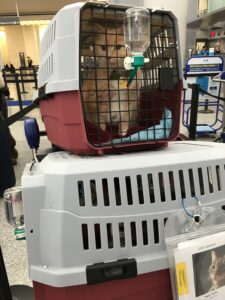
Image Courtesy of Stuart Rankin via Flickr
In-cabin travel may not be feasible for all pets, particularly those exceeding 20 pounds, which must be transported in the cargo hold. It is advisable to consult with airlines well in advance of your trip, as certain snub-nosed breeds face restrictions due to potential breathing difficulties when traveling in the cargo area. Please ensure you reserve a spot for your pet when booking your flight.
When planning your journey, avoid traveling with pets during extreme temperature conditions. The cargo area can experience significant temperature fluctuations during loading and unloading, although it is climate-controlled throughout the flight. Opting for a direct flight is the safest choice to expedite your pet’s travel and ensure their well-being. Additionally, you may request to observe your pet during the loading and unloading processes.
Select a robust plastic crate with a metal door for your pet, unless the airline specifies otherwise. To provide safety and comfort, line the bottom of the crate with waterproof wee-wee pads above the bedding.
It is recommended that pets not be fed for four to six hours prior to travel, although small amounts of water can be offered. An effective method to ensure hydration during the flight is to freeze water in a bowl and place it in the crate, allowing your pet to hydrate without the risk of spilling. Upon boarding for flight passenger should alert the captain and flight crew of the animal in cargo. This way, they will be extra careful to keep pressure and temperature in the cargo hole stable.
Remember, it is essential for all pets to wear collars equipped with appropriate ID tags and emergency contact information. With careful preparation, it can become a rewarding endeavor for all parties involved when flying with pets.
Cruising For Travel can assist in helping you book a safe flight and travel plans when flying with pets
Flying with Pets Guide with Helpful Tips – by Carol Ruth Weber
